Unlock Your Creativity: Sign Up For Fun and Interactive Sewing Classes Today!
Sewing courses provide an outstanding possibility for individuals to discover their creative potential. Participants can interact with different materials and techniques while completing hands-on projects. These lessons accommodate various skill levels, making them accessible to beginners and experienced sewers alike. As participants engage with this creative process, they may uncover not just new skills, but also a encouraging community. What lies beyond the basics of sewing may surprise many.
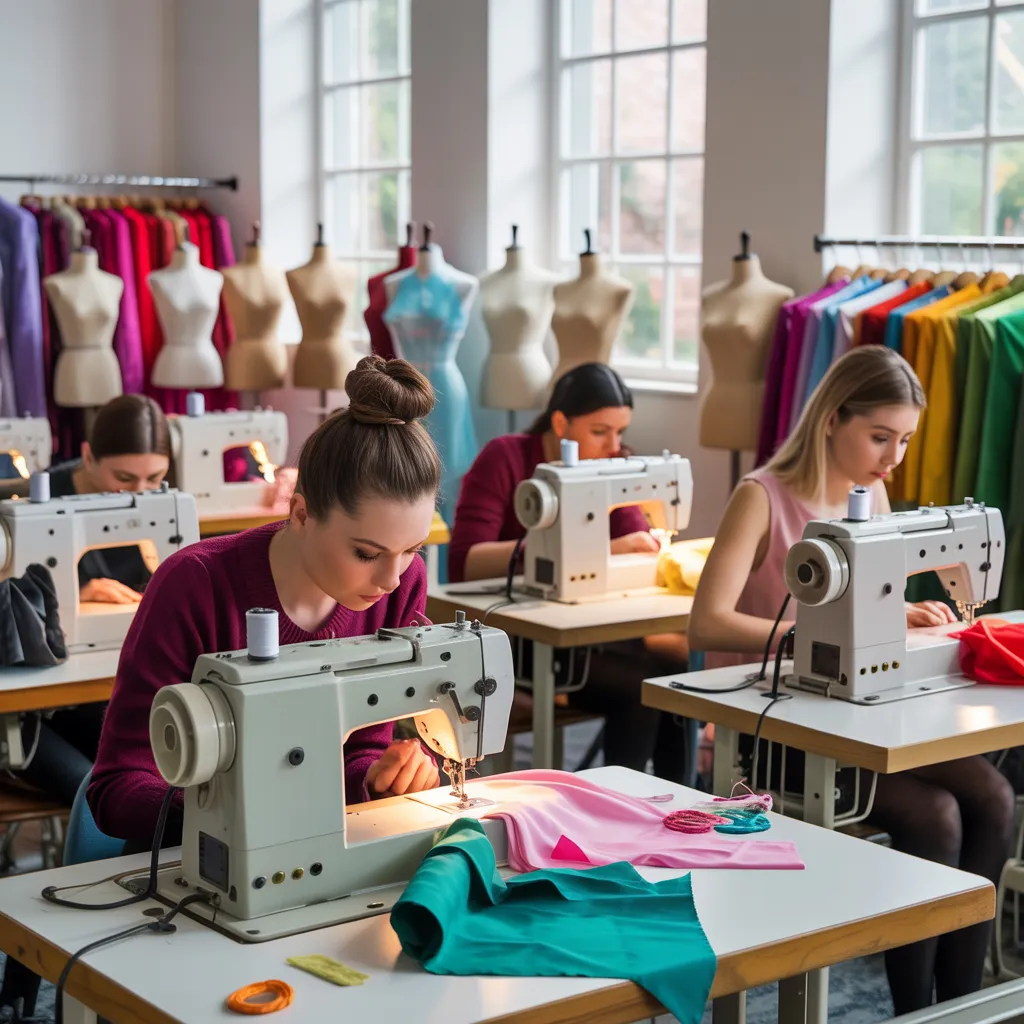
How Creative Thinkers Benefit from Sewing Classes
While countless artistic outlets exist, sewing classes prove to be an ideal choice for those looking to convey their artistic vision. These classes provide a chance to transform fabric into tangible creations, permitting participants to explore their imagination in a hands-on environment. The tactile nature of sewing involves sensory engagement, encouraging individuals to experiment with colors, patterns, and textures.
Moreover, sewing cultivates a sense of accomplishment; each completed project represents a reflection of one's creativity and skill development. The supportive atmosphere in classes also creates a supportive community, where aspiring designers can exchange ideas and learn from one another. With multiple techniques and styles to explore, from traditional quilting to modern garment making, sewing classes accommodate diverse interests and skill levels. As a result, they function as a perfect medium for creative minds to grow, igniting joy and inspiration through the art of fabric manipulation.
What Should You Anticipate in Your Initial Sewing Class?
What can a beginner expect in their first sewing class? Usually, new students will be presented with the core tools and materials required for sewing, such as fabric, thread, scissors, and sewing machines. Instructors generally give a brief overview of machine operation and safety, making sure that learners feel confident and comfortable. New students will typically commence with basic stitches and techniques, guided step-by-step through straightforward projects like pillowcases or tote bags. This hands-on approach promotes an supportive environment where questions are embraced.
Moreover, students might engage in discussions about fabric types and pattern reading, developing insight into the broader sewing landscape. The social aspect of group classes facilitates shared experiences, making it a fun way to meet fellow enthusiasts. In summary, participants can expect a fusion of instruction, creativity, and camaraderie, establishing a solid foundation for their sewing journey.
Varieties of Sewing Classes to Complement Your Style
While exploring sewing classes, individuals can discover options suited to their skill levels and interests. Basic sewing techniques prioritize foundational skills, while advanced project workshops stretch experienced sewists with complex designs. This variety ensures that each student can engage with the material in a way that suits their personal style.
Beginning Needlework Procedures
Exploring the world of sewing opens the door to various beginner techniques that cater to different styles and preferences. Numerous classes focus on fundamental skills, such as straight stitching, zigzag stitching, and hem finishing, essential for building a solid foundation. Participants may also discover techniques like appliqué and basic garment construction, which help them create simple yet stylish projects. Moreover, some classes introduce learners to hand-sewing methods, emphasizing the artistry of needlework. For those interested in quilting, beginner classes often cover basic patchwork techniques. Eventually, these diverse options confirm that aspiring sewers can find the right class to match their personal try this interests and creative aspirations, building confidence and enthusiasm for further exploration in the sewing realm.
Professional Project Workshops
Advanced project workshops offer a selection of specialized sewing classes created to improve skills and match individual styles. These workshops are designed for more experienced sewists looking to tackle complex projects, such as tailored garments, elaborate quilts, or custom home décor. Participants receive expert guidance, enabling them to polish techniques and explore advanced concepts like pattern drafting, fabric manipulation, and embellishments.
Additionally, these workshops foster a collaborative environment where creativity prospers, encouraging students to communicate ideas and receive constructive feedback. By centering on specific projects, attendees can cultivate a deeper understanding of their chosen techniques while making unique, personalized items. Ultimately, advanced project workshops present an enriching experience that inspires confidence and develops a passion for sewing.
Developing Expertise and Assurance Through Sewing Classes
Sewing courses function as an effective platform for students to build both skills and confidence in their craft. Learners learn important techniques, from threading a needle to mastering intricate stitching patterns. Tutors guide attendees through interactive projects, helping them to refine and perfect their capabilities in a positive environment.
As students advance, they gain a sense of accomplishment that fosters confidence. Finishing a project, whether a basic tote bag or an complex garment, generates pride and inspires further exploration. This gradual learning approach enables individuals to approach increasingly demanding tasks, solidifying their growing expertise.
Furthermore, the structured setting of sewing classes promotes goal-setting and accountability, which facilitate personal growth. By navigating difficulties and celebrating accomplishments, participants cultivate resilience, transferring fresh confidence into other domains of life. Ultimately, sewing classes are not only about fabric and thread; they are transformative experiences that empower individuals to explore their creativity.
Connect with Like-Minded Artists: The Community of Sewing Classes
During the development of sewing skills, participants also find themselves immersed in a vibrant community of creative peers. This community acts as a supportive network, encouraging connections among individuals who share a passion for sewing. As they engage in hands-on projects, participants trade ideas, techniques, and inspiration, enhancing their learning experience.
The cooperative environment fosters innovation, enabling participants to discover various techniques and methods. Through discussing victories and hurdles, they establish permanent connections and mutual inspiration. Shared activities, such as fabric trading and group projects, further solidify these ties, elevating the sewing classes above standard skill-acquisition sessions.
Additionally, the diverse backgrounds and experiences of participants elevate discussions, widening perspectives on sewing. This sense of belonging not only enhances confidence but also kindles a passion for the craft. Ultimately, the community aspect converts sewing classes into a shared journey of creativity and personal growth.
Essential Points for Finding the Right Sewing Class
When assessing options for a sewing class, individuals should consider several key factors to ensure they select the right fit for their needs. First, the skill level of the class is crucial; beginners may require more basic instruction, while advanced sewers might seek specialized techniques. Next, class size can significantly impact the learning experience; smaller groups often provide more personalized attention from the instructor.
Furthermore, the curriculum should align with personal interests, such as garment construction, quilting, or accessories. Future students should also investigate the instructor's experience and teaching style to assess compatibility. Finally, logistical factors such as location, schedule flexibility, and cost should be evaluated. By evaluating these aspects, individuals can make an informed selection, enhancing their sewing journey and providing a fulfilling educational experience.
Extending Your Sewing Practice
As sewers advance in their skills, delving into sophisticated methods is crucial for elevating their workmanship. Networking with like-minded crafters can supply important understanding and foster a supportive community. Defining personal targets helps maintain motivation and fosters steady progress in their needlework experience.
Investigate Cutting-Edge Strategies
Advanced sewing techniques open up a world of creative possibilities for those ready to elevate their skills. These techniques enable participants to explore intricate patterns, detailed embellishments, and unique garment constructions. Perfecting abilities including tailoring, draping, and complex material management empowers sewers to craft expert-level creations that display their unique artistic vision. Additionally, learning to work with specialty materials, such as leather or silk, expands the range of projects that can be undertaken. Training sessions emphasizing expert-level approaches regularly examine the utilization of sergers and embroidery devices, improving the entire sewing practice. By incorporating these expert-level approaches, learners can simultaneously enhance their workmanship and develop the conviction to execute complex undertakings with proficiency and imaginative flair.
Join Our Sewing Community
Establishing relationships with like-minded sewers improves the artistic process and fosters a strong community. Engaging in sewing classes offers an opportunity to connect with people with similar interests who share a love of creativity. These connections can lead to meaningful bonds, as participants swap ideas, techniques, and inspiration. Joint endeavors often arise from these interactions, inspiring the exploration of innovative techniques and techniques.
Sewing circles or groups can help improve this sense of camaraderie, creating a welcoming atmosphere for sharing triumphs and challenges. Through common experiences, sewers gain valuable insights and different perspectives that can improve their skills. Ultimately, connecting with others not only enhances the joy of sewing but also establishes a network of support that encourages personal growth and artistic expression.
Set Your Personal Goals
Defining personal goals is crucial for those looking to progress in their sewing journey. By establishing well-defined, achievable objectives, individuals can keep up motivation and track their progress. Whether it's mastering a new technique, completing a certain project, or participating in a sewing competition, these goals offer direction and purpose. Moreover, setting deadlines fosters consistency and accountability, enabling sewists remain committed to their craft. It is important to regularly evaluate these goals, adjusting them as skills develop or interests evolve. This dynamic approach cultivates growth and creativity, empowering individuals to explore new ideas and techniques. In the end, personal goals can transform sewing from a hobby into a satisfying, lifelong passion.
Questions & Answers
What Do I Need to Bring to My First Sewing Class?
For the initial sewing session, attendees should bring fabric, thread, scissors, pins, a measuring tape, and if needed, a sewing machine. A notebook and pen for note-taking can also enhance the learning experience.
Are Sewing Classes Suitable for Children or Beginners?
Sewing lessons are definitely ideal for beginners and children. These courses offer a nurturing environment, fostering creativity and skill development, allowing participants to develop basic techniques while embracing the process of creating different projects together.
What Is the Standard Length of Sewing Classes?
Sewing lessons usually span between one and three hours, contingent upon the sophistication of the project and the instructor's curriculum. Some programs may offer longer sessions for more thorough learning experiences and skill development.
Can I Use My Own Sewing Machine?
Participants are usually asked to bring their own sewing machines to workshops. This allows them to work with equipment they're accustomed to, increasing their experience and ease, while also making sure they can master specific techniques effectively.
What's the Price Range for Sewing Classes?
The price for sewing classes usually spans from $20 to $150 per session. Pricing factors encompass class duration, instructor experience, and whether materials are supplied or require separate purchase.